


Lola Tung Ethnicity: A Deep Dive Into Her Multicultural Background and Identity
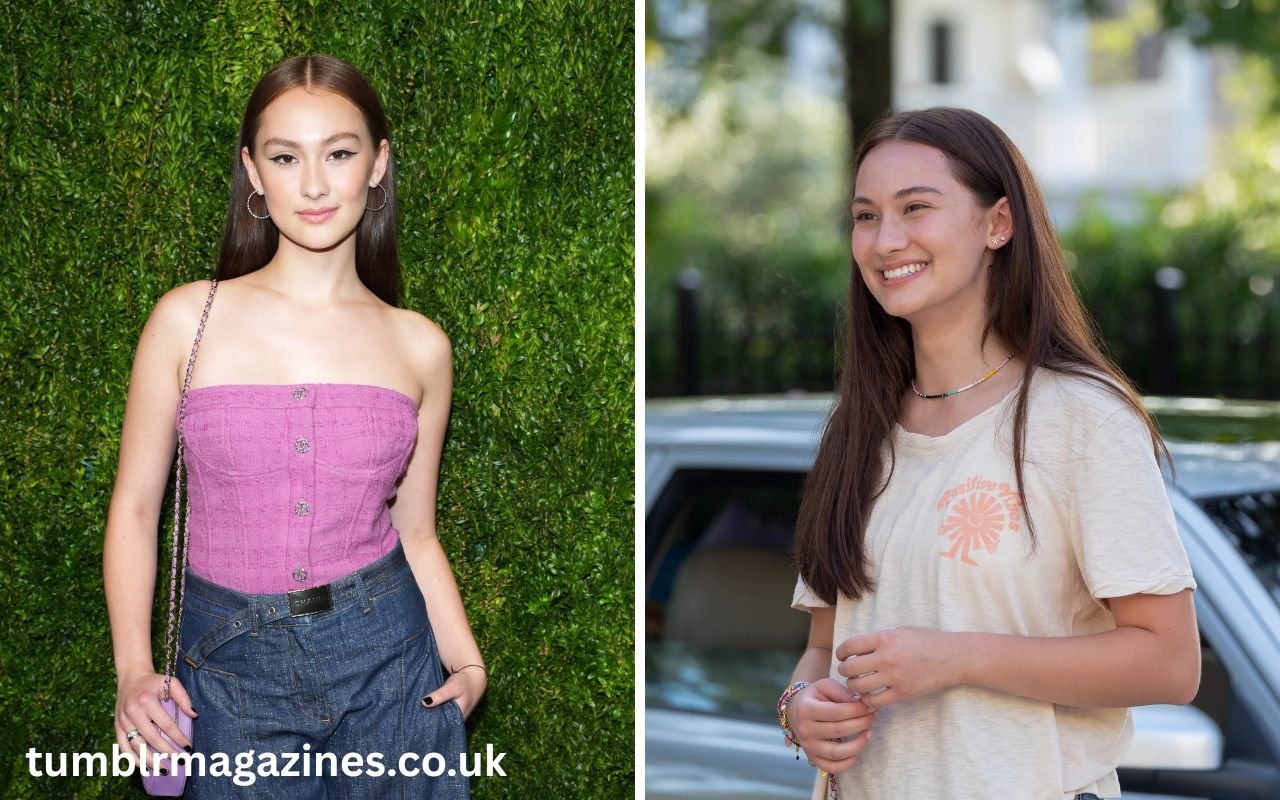
lola tung ethnicity Lola Tung has quickly become one of the most talked-about rising stars in Hollywood, largely due to her breakout role in The Summer I Turned Pretty. Alongside her acting talent, fans are increasingly curious about her background, especially her ethnicity and cultural roots. This interest reflects a broader trend in entertainment, where audiences are more engaged with the identities and stories behind their favorite stars.
Understanding Lola Tung’s ethnicity involves looking beyond simple labels. Her heritage is a blend of multiple cultures, making her identity both diverse and representative of a modern, global generation. As conversations around diversity and representation grow, her background has become an important part of how audiences connect with her.
Her ethnicity is not just a personal detail but also a key factor in her public image. It influences the roles she plays, the audiences she resonates with, and the broader cultural discussions she contributes to in today’s entertainment landscape.
What Is Lola Tung’s Ethnicity?
Lola Tung’s ethnicity is widely described as mixed, combining both Asian and European heritage. Specifically, she has Chinese and Swedish ancestry from her mother’s side and Eastern European roots from her father’s side. This unique blend places her within the growing group of multicultural actors redefining representation in Hollywood.
Her Chinese heritage is often highlighted because of her surname and physical features, which many fans associate with East Asian ancestry. At the same time, her European roots add another dimension to her identity, making her background more complex than a single ethnic category. This combination reflects the increasing diversity seen in younger generations.
Being of mixed ethnicity allows Lola Tung to connect with multiple cultural communities. It also challenges traditional ideas of identity, showing that ethnicity can be layered, fluid, and deeply personal rather than confined to one category.
Family Background and Cultural Roots
Lola Tung was born and raised in New York City, a place known for its cultural diversity and global influences. Growing up in such an environment likely played a role in shaping her understanding of her own mixed heritage. Her upbringing exposed her to different traditions, languages, and cultural perspectives from an early age.
Her mother, Pia Tung, has Chinese and Swedish ancestry, while her father is of Eastern European descent. This multicultural family background created a rich cultural environment that influenced her identity. It also contributed to her appreciation of both Eastern and Western traditions.
Family plays a crucial role in how individuals experience their ethnicity, and for Lola Tung, her parents’ diverse roots provided a strong foundation. This blend of cultures is reflected not only in her identity but also in the way she carries herself publicly.
The Influence of Chinese Heritage
Chinese heritage is a significant part of Lola Tung’s identity. Her maternal lineage traces back to China, and this connection has shaped both her cultural awareness and her public image. In many discussions about her ethnicity, this aspect is often the most emphasized.
In recent years, there has been a growing demand for Asian representation in media, and Lola Tung’s success contributes to this movement. Her presence on screen helps challenge stereotypes and expand the visibility of Asian-American actors in mainstream entertainment.
She has also been associated with cultural events and celebrations that highlight her Chinese roots, reinforcing her connection to this part of her heritage. This visibility helps normalize diverse identities and encourages broader acceptance in the industry.
Swedish and European Ancestry
In addition to her Chinese background, Lola Tung also has Swedish ancestry from her maternal side and Eastern European roots from her father. These European influences are an essential part of her identity, even if they are less frequently discussed.
Swedish heritage brings its own cultural traditions, values, and history, adding another layer to her multicultural background. Meanwhile, Eastern European roots contribute to the diversity of her lineage, making her ethnicity even more complex and unique.
This combination of Asian and European ancestry highlights how ethnicity can encompass multiple regions and cultures. It also reflects the increasingly global nature of identity in today’s interconnected world.
How Lola Tung Identifies Culturally
While her ethnic background is diverse, cultural identity is also shaped by personal experiences and environment. Lola Tung identifies as an American, having been born and raised in the United States. Her upbringing in New York City has influenced how she views herself and her place in the world.
Being American does not erase her ethnic roots but rather adds another layer to her identity. She represents a generation of individuals who navigate multiple cultural influences simultaneously, blending them into a cohesive sense of self.
Her identity reflects the reality of many young people today, who may not fit into a single cultural category. Instead, they embrace a multifaceted identity that includes heritage, nationality, and personal experience.
Representation in Hollywood and Media
Lola Tung’s rise in Hollywood comes at a time when diversity and representation are becoming central topics in the entertainment industry. Her mixed ethnicity allows her to represent a broader range of audiences, particularly those who rarely see themselves reflected on screen.
Her role in The Summer I Turned Pretty is significant because it showcases a character with Asian heritage in a mainstream romantic drama. This kind of representation helps normalize diversity and challenge outdated stereotypes.
The industry’s increasing focus on inclusivity means that actors like Lola Tung are not just performers but also symbols of change. Their success signals a shift toward more authentic and varied storytelling.
Public Interest in Lola Tung’s Ethnicity
The curiosity surrounding Lola Tung’s ethnicity is part of a larger trend where fans want to understand the backgrounds of public figures. This interest often stems from a desire to connect with celebrities on a deeper level and see themselves represented in media.
Social media and online discussions have amplified this curiosity, with fans frequently speculating about her heritage. While some discussions may lack accuracy, they highlight the importance of representation and identity in popular culture.
This level of interest also shows how ethnicity can become a defining aspect of a celebrity’s public image. For Lola Tung, it has become an important part of how she is perceived and celebrated.
The Importance of Multicultural Identity
Lola Tung’s mixed ethnicity represents a broader shift toward multicultural identities becoming more visible and accepted. Her background reflects the reality of a world where cultures intersect and blend, creating new forms of identity.
Multicultural individuals often navigate multiple cultural influences, which can enrich their perspectives and experiences. In Lola Tung’s case, her diverse heritage contributes to her unique presence both on and off screen.
Her success highlights the value of embracing diversity rather than conforming to a single identity. It also encourages audiences to appreciate the complexity and richness of multicultural backgrounds.
Read More: Kelly Tisdale: A Complete Insight into Her Life, Career, and Personal Journey
Conclusion: Understanding Lola Tung’s Ethnic Background
Lola Tung’s ethnicity is a blend of Chinese, Swedish, and Eastern European heritage, making her a truly multicultural individual. Her background reflects the diversity of modern society and the evolving nature of identity in today’s world.
As her career continues to grow, her ethnicity will likely remain an important part of her story. It not only shapes her personal identity but also contributes to broader conversations about representation and inclusion in entertainment.
Ultimately, understanding Lola Tung’s ethnicity provides insight into who she is beyond her roles. It highlights the importance of embracing diverse backgrounds and celebrating the unique stories that come with them.