
John Mellencamp Stops Concert: What Really Happened and Why It Matters
The phrase “John Mellencamp stops concert” quickly became a trending search topic after a viral moment involving John Mellencamp during a live performance. Known for his raw storytelling and heartland rock style, Mellencamp has built a decades-long career on authenticity and emotional connection with his audience. However, a recent concert interruption sparked widespread online discussion, raising questions about artist-audience dynamics and concert etiquette.
The incident itself was not a cancellation or major disruption in the traditional sense. Instead, it involved a brief pause during a live performance when Mellencamp reacted to audience behavior. Reports confirm that the moment was triggered by interruptions from attendees while the singer was speaking between songs, rather than performing music. This distinction is important, as it reshapes how fans and media interpret what actually happened.
Understanding the full context behind this moment requires looking beyond viral clips. It involves examining Mellencamp’s performance style, audience expectations, and the evolving nature of live concerts. The incident reflects broader cultural shifts in how audiences engage with live music today.
What Happened During the Concert
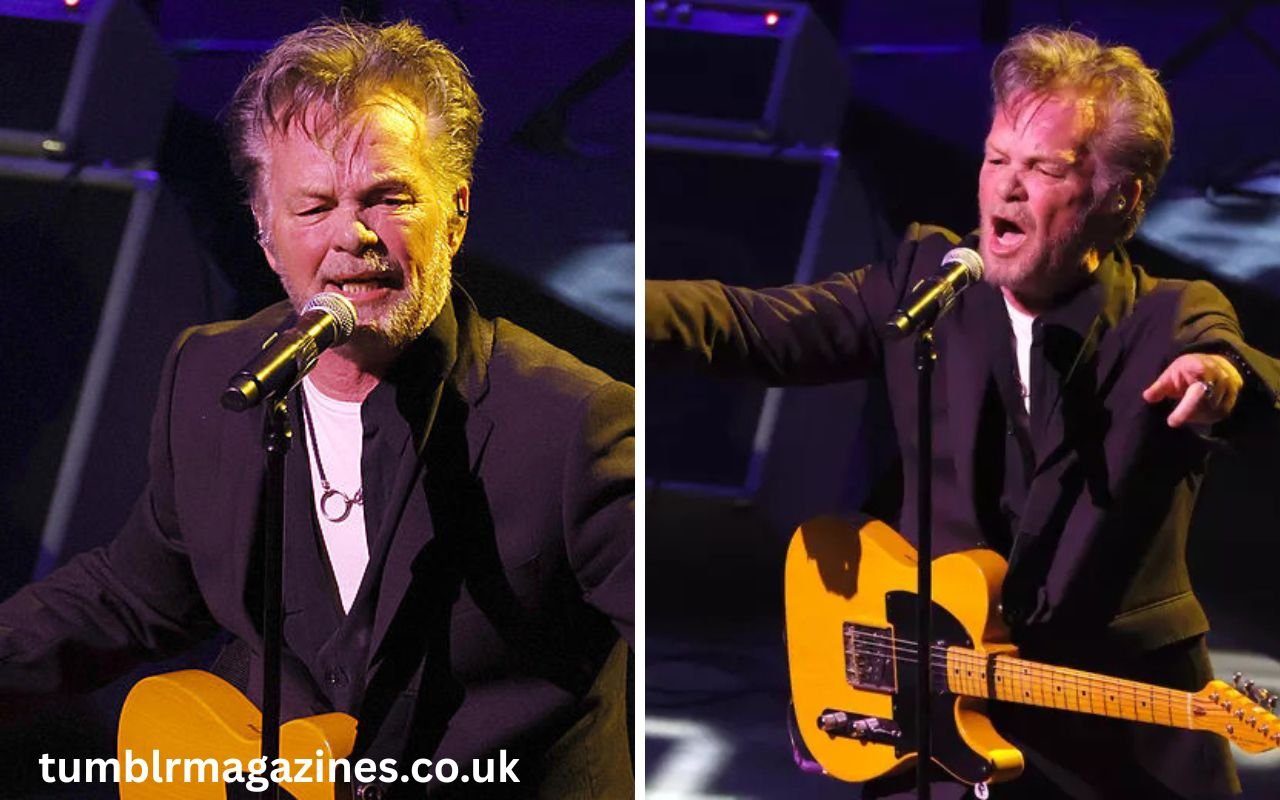
During the concert, Mellencamp was in the middle of a storytelling segment, a common feature of his live shows. Rather than moving directly from song to song, he often shares personal stories that add depth and meaning to his music. In this case, audience members interrupted him, reportedly shouting for him to “just play music.”
This interruption created tension on stage. Mellencamp reacted visibly, expressing frustration before briefly leaving the stage. Importantly, this was not a full walkout or cancellation. He returned shortly afterward and continued the performance, completing the concert as planned.
Eyewitness accounts and verified reports emphasize that the situation was relatively short-lived. However, the emotional intensity of the moment made it highly shareable online. Short video clips circulated rapidly, often without full context, contributing to confusion about what actually occurred.
Why John Mellencamp Stopped the Show
The primary reason Mellencamp stopped the concert was audience disruption during a storytelling moment. For an artist who values narrative and emotional connection, interruptions can significantly impact the performance flow. His reaction was less about anger and more about maintaining the integrity of the show.
Mellencamp has long emphasized that his concerts are not just musical performances but storytelling experiences. When audience members disrupt these moments, it can undermine the atmosphere he aims to create. This perspective helps explain why he chose to pause the show rather than ignore the interruptions.
It is also worth noting that the incident was not political, despite rumors suggesting otherwise. Fact-checking sources confirm that the interruption occurred during a personal story, not a political discussion. This clarification helps separate fact from misinformation and highlights how quickly narratives can shift online.
Viral Reaction and Social Media Buzz
The moment quickly gained traction on social media platforms, with videos and reactions spreading across the internet. Searches for “John Mellencamp stops concert” surged as people tried to understand what had happened. The viral nature of the incident amplified its impact far beyond the original audience.
Online reactions were divided. Some fans supported Mellencamp, arguing that artists deserve respect and attention during live performances. Others felt that stopping the show disrupted the entertainment experience, especially for those who came primarily to hear music.
Social media played a major role in shaping the narrative. Short clips often lacked context, leading to misunderstandings and exaggerated claims. As a result, the incident became a broader conversation about concert behavior, artist expectations, and the role of storytelling in live music.
Mellencamp’s History with Concert Interruptions
This was not the first time Mellencamp has reacted strongly to audience behavior. Throughout his career, he has occasionally paused performances or addressed disruptions directly. These moments reflect his commitment to maintaining a certain atmosphere during his shows.
Mellencamp’s approach to live performance is rooted in authenticity. He has expressed frustration in the past with audiences who treat concerts as background entertainment rather than immersive experiences. This philosophy sometimes clashes with modern concert culture, where distractions such as phones and crowd chatter are common.
His history of addressing disruptions suggests that the recent incident is part of a broader pattern rather than an isolated event. For long-time fans, this behavior aligns with his personality and artistic values, reinforcing his reputation as a performer who prioritizes substance over spectacle.
The Role of Storytelling in His Performances
Storytelling is a defining feature of Mellencamp’s live shows. Unlike many artists who focus solely on music, he integrates narratives that provide insight into his songs and personal experiences. This approach creates a more intimate and meaningful connection with the audience.
These storytelling segments often include reflections on his upbringing, relationships, and life lessons. They add depth to his music, transforming concerts into a blend of performance and narrative. For fans who appreciate this style, these moments are a highlight of the experience.
However, not all audiences share this expectation. Some concertgoers prefer continuous music, leading to potential conflicts when storytelling takes center stage. The recent incident highlights this tension, illustrating how differing expectations can impact live performances.
Audience Etiquette and Modern Concert Culture
The incident also brings attention to changing norms in concert etiquette. In the past, audiences were generally expected to listen quietly during performances, especially during slower or more reflective moments. Today, the atmosphere at many concerts is more casual and interactive.
This shift can create challenges for artists like Mellencamp, who value attentive listening. Audience interruptions, whether intentional or not, can disrupt the flow of a performance and affect the experience for both the artist and other attendees.
The debate surrounding this incident reflects broader questions about respect and engagement at live events. Should audiences adapt to the artist’s style, or should performers adjust to modern expectations? The answer likely lies somewhere in between, requiring mutual understanding and respect.
Debunking Myths and Misinterpretations
As the incident spread online, several misconceptions emerged. One of the most prominent claims was that Mellencamp stopped the concert due to political discussions. However, credible sources have debunked this narrative, confirming that the interruption occurred during a personal story.
Another common misconception was that the concert ended early or was canceled. In reality, Mellencamp returned to the stage and completed the performance. These inaccuracies highlight the importance of verifying information before drawing conclusions.
Misinformation can significantly influence public perception, especially when amplified by social media. By examining reliable sources, it becomes clear that the incident was less dramatic than many reports suggested, focusing more on a moment of tension than a major controversy.
Impact on Mellencamp’s Career and Tours
Despite the viral attention, the incident is unlikely to have a lasting negative impact on Mellencamp’s career. With a legacy that includes over 60 million records sold and induction into the Rock and Roll Hall of Fame, his reputation as a respected artist remains strong.
In fact, the attention may even reinforce his image as an artist who values authenticity and artistic integrity. His willingness to address disruptions directly demonstrates a commitment to his craft that resonates with many fans.
Looking ahead, Mellencamp continues to perform and tour, including plans for his 2026 “Dancing Words Tour.” This ongoing activity suggests that the incident is just a minor moment in a long and successful career, rather than a defining event.
Read More: How Tall Is Simone Biles? Height, Body Stats, and the Secret Behind Her Gymnastics Power
Final Thoughts on the Concert Incident
The “John Mellencamp stops concert” moment serves as a reminder of the complex relationship between artists and audiences. It highlights how expectations, communication, and behavior can influence the live music experience.
While the incident sparked debate, it also provided an opportunity to reflect on what makes concerts meaningful. For some, it is about hearing favorite songs; for others, it is about connecting with the artist on a deeper level. Mellencamp’s approach leans toward the latter, emphasizing storytelling and emotional engagement.
Ultimately, the situation was a brief interruption rather than a major controversy. By understanding the context and separating fact from fiction, it becomes clear that the incident reflects broader cultural dynamics