

Jazz Artists Harlem Renaissance: The Musicians Who Shaped American Culture
Introduction
jazz artists harlem renaissance The Harlem Renaissance was one of the most influential cultural movements in American history, spanning roughly from the 1910s through the 1930s. Centered in Harlem, New York City, this period witnessed an extraordinary flourishing of African American literature, art, music, and intellectual thought. Among its many contributions to American culture, jazz emerged as the defining soundtrack of the era. The music reflected the creativity, resilience, and evolving identity of Black Americans while captivating audiences across the nation.
Jazz artists of the Harlem Renaissance transformed a regional musical style into a globally recognized art form. Their innovative performances, compositions, and improvisational techniques laid the foundation for modern jazz and influenced countless genres that followed. Through legendary clubs, dance halls, and theaters, these musicians created a vibrant cultural landscape that continues to inspire artists today.
Quick Bio Table: Notable Jazz Artists of the Harlem Renaissance
| Artist | Profession | Notable Contribution | Era of Prominence |
|---|---|---|---|
| Duke Ellington | Pianist, Composer, Bandleader | Elevated jazz through sophisticated compositions | 1920s–1930s |
| Louis Armstrong | Trumpeter, Vocalist | Popularized jazz improvisation and solo performance | 1920s–1930s |
| Bessie Smith | Blues Singer | Bridged blues and jazz traditions | 1920s |
| Fats Waller | Pianist, Composer | Popularized Harlem stride piano | 1920s–1930s |
| Cab Calloway | Singer, Bandleader | Famous for energetic performances and scat singing | 1930s |
| Fletcher Henderson | Arranger, Bandleader | Pioneer of big band and swing arrangements | 1920s–1930s |
The Rise of Jazz During the Harlem Renaissance
Jazz originated from African American musical traditions that combined elements of blues, ragtime, spirituals, and European musical structures. As thousands of African Americans migrated from the South to Northern cities during the Great Migration, Harlem became a thriving center of Black culture and artistic expression.
The Harlem Renaissance provided a unique environment where musicians could experiment creatively and perform before diverse audiences. Jazz clubs, theaters, and dance halls became gathering places where people could experience groundbreaking music and celebrate African American culture. These venues helped jazz gain mainstream popularity while offering artists opportunities to develop their craft.
The music’s emphasis on improvisation and personal expression mirrored the broader goals of the Harlem Renaissance, which sought to challenge stereotypes and showcase the richness of Black cultural achievements.
Duke Ellington: The Master Composer
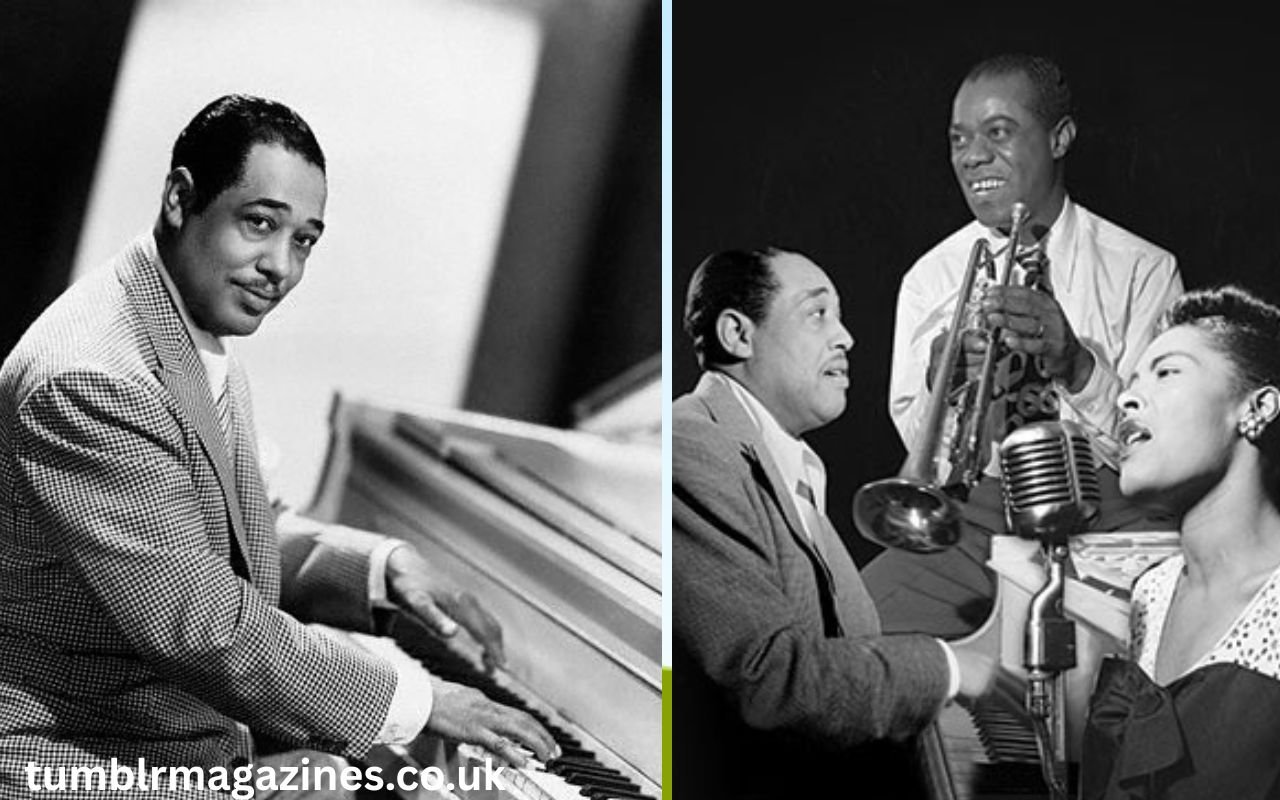
Among all jazz artists associated with the Harlem Renaissance, Duke Ellington stands as one of the most influential figures. His residency at the famous Cotton Club brought national attention to both his orchestra and the Harlem jazz scene.
Ellington was more than a bandleader; he was a visionary composer who expanded the possibilities of jazz. His arrangements incorporated complex harmonies, innovative orchestration, and distinctive instrumental voices. Rather than treating jazz as simple dance music, Ellington demonstrated that it could be a sophisticated art form capable of conveying deep emotions and complex ideas.
Many of his compositions captured the spirit of Harlem, reflecting the neighborhood’s energy, elegance, and cultural significance. His work helped establish jazz as a respected musical genre and inspired future generations of musicians.
Louis Armstrong and the Art of Improvisation
Louis Armstrong revolutionized jazz through his remarkable trumpet playing and charismatic stage presence. Although his career began in New Orleans, Armstrong became a major influence on the Harlem Renaissance music scene.
Before Armstrong, jazz often emphasized collective improvisation among ensemble members. He shifted attention toward the individual soloist, showcasing extraordinary technical skill and creative expression. His innovative improvisations demonstrated that jazz musicians could use their instruments to tell personal stories and express unique artistic voices.
Armstrong’s influence extended beyond instrumental performance. His distinctive singing style, including the popularization of scat singing, helped shape the future of jazz vocals. His recordings became some of the most important works in jazz history and continue to be studied by musicians worldwide.
Bessie Smith: The Empress of the Blues
Bessie Smith played a vital role in connecting blues traditions with the emerging jazz movement. Known for her powerful voice and emotional performances, she became one of the most successful African American recording artists of the 1920s.
Smith’s music explored themes of love, hardship, independence, and resilience. Her ability to communicate genuine emotion resonated deeply with audiences and influenced generations of singers. While she is often categorized primarily as a blues artist, her collaborations with jazz musicians and her impact on jazz vocal performance make her an important figure within the Harlem Renaissance.
Her recordings helped preserve African American musical traditions while introducing them to broader audiences. Through her artistry, Smith demonstrated the cultural significance and commercial viability of Black music.
Fats Waller and the Harlem Stride Piano Tradition
Fats Waller was one of Harlem’s most beloved entertainers and a master of stride piano, a style that became closely associated with the neighborhood’s musical culture.
Stride piano featured a dynamic left-hand technique that alternated between bass notes and chords while the right hand played melodies and improvisations. This energetic style created a full, rhythmic sound that captivated listeners and influenced many future jazz pianists.
Beyond his technical abilities, Waller was known for his humor, charm, and engaging stage presence. His performances combined musical excellence with entertainment, making jazz accessible to a wide audience. Many of his compositions became enduring standards that remain popular today.
Cab Calloway: The King of Harlem Entertainment
Cab Calloway emerged as one of the most recognizable entertainers of the Harlem Renaissance. As a singer and bandleader, he brought extraordinary energy and charisma to the stage.
Calloway became famous for his lively performances, theatrical style, and innovative vocal techniques. His use of call-and-response interactions encouraged audience participation and created an exciting atmosphere during live shows. His distinctive approach to scat singing further expanded the possibilities of jazz vocals.
Under his leadership, the Cab Calloway Orchestra became one of the era’s most successful bands. His popularity helped introduce jazz to new audiences and reinforced Harlem’s reputation as a center of musical innovation.
Fletcher Henderson and the Birth of Swing
Fletcher Henderson was a pioneering arranger and bandleader whose contributions played a crucial role in the development of swing music. His orchestra served as a training ground for many talented musicians who would later become jazz legends.
Henderson’s arrangements emphasized sectional interplay, rhythmic drive, and carefully structured compositions. These innovations became defining characteristics of the swing era that followed the Harlem Renaissance.
Although he often receives less public recognition than some of his contemporaries, Henderson’s influence on big band jazz was immense. His work helped establish the musical framework that dominated American popular music during the 1930s and 1940s.
The Importance of Harlem’s Jazz Venues
The success of Harlem Renaissance jazz artists was closely tied to the neighborhood’s vibrant performance venues. Clubs such as the Cotton Club and dance halls like the Savoy Ballroom provided spaces where musicians could experiment, collaborate, and connect with audiences.
These venues attracted visitors from across New York City and beyond. Their popularity helped spread Harlem’s cultural influence while creating opportunities for artists to achieve national recognition. The music performed in these spaces shaped public perceptions of jazz and contributed to its growing acceptance throughout American society.
The atmosphere of Harlem’s nightlife also fostered creativity and artistic exchange, making the neighborhood a true cultural capital of the era.
The Lasting Legacy of Harlem Renaissance Jazz Artists
Read More: What Was Colonel Sanders Ethnicity? Exploring KFC Colonel Sanders Ethnicity and Family Background
The impact of Harlem Renaissance jazz artists extends far beyond their own time. Their innovations transformed American music and influenced countless genres, including swing, bebop, rhythm and blues, soul, and rock music.
These musicians demonstrated that jazz could serve as both entertainment and artistic expression. They challenged racial barriers, expanded opportunities for African American performers, and contributed significantly to the development of modern American culture.
Today, their recordings, compositions, and artistic achievements continue to inspire musicians, scholars, and audiences around the world. The Harlem Renaissance remains a powerful reminder of how creativity and cultural expression can drive social and artistic progress.
Conclusion
The story of jazz artists during the Harlem Renaissance is a story of innovation, resilience, and cultural transformation. Figures such as Duke Ellington, Louis Armstrong, Bessie Smith, Fats Waller, Cab Calloway, and Fletcher Henderson helped shape not only the future of jazz but also the broader landscape of American music. Their contributions elevated jazz from local performance spaces to international stages and established Harlem as one of the most important cultural centers in history.
As readers continue exploring the rich legacy of these remarkable musicians, platforms like tumblrmagazines provide valuable opportunities to celebrate and preserve the stories that define our cultural heritage.