



Bessie Smith and Ma Rainey: Queens of the Blues Who Changed Music Forever
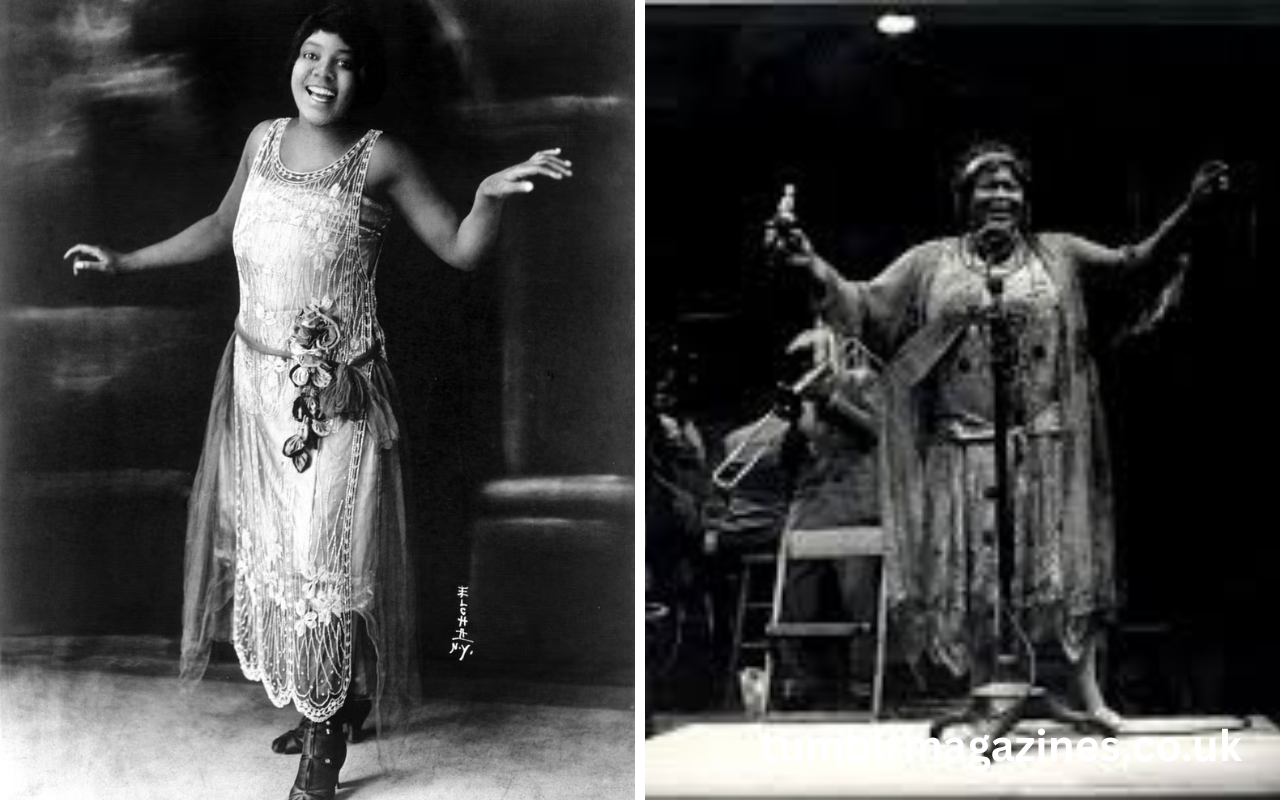
Bessie Smith and Ma Rainey are two of the most powerful and influential figures in the history of blues music. Often called the “Mother of the Blues” (Ma Rainey) and the “Empress of the Blues” (Bessie Smith), they shaped the sound, style, and emotional depth of early 20th-century African American music. Their connection was not only musical but also personal, with Ma Rainey acting as a mentor and early influence on Bessie Smith’s career.
Together, they helped bring blues from Southern Black communities into mainstream American culture, laying the foundation for jazz, soul, and modern popular music.
Quick Bio Table
| Category | Ma Rainey | Bessie Smith |
|---|---|---|
| Full Name | Gertrude “Ma” Rainey | Bessie Smith |
| Born | 1886 | 1894 (approx.) |
| Known As | Mother of the Blues | Empress of the Blues |
| Profession | Blues Singer | Blues Singer |
| Nationality | American | American |
| Active Era | 1900s–1930s | 1920s–1930s |
| Famous Role | Mentor figure | Legendary recording artist |
| Legacy | Pioneer of classic blues | Greatest blues vocalist of her time |
Ma Rainey: The Mother Who Shaped the Blues
Ma Rainey was one of the earliest professional blues performers to gain national recognition. She began performing in vaudeville shows in the early 1900s and became known for her powerful voice, dramatic stage presence, and bold personality.
She did not just perform blues—she helped define it. Her songs often reflected real-life experiences, especially those of Black women in America. She brought emotional honesty into music at a time when such expression was rare in mainstream entertainment.
Rainey’s influence extended beyond music. She was also known for her extravagant stage costumes, bold fashion choices, and fearless attitude, which made her a cultural icon in the Harlem Renaissance era.
Bessie Smith: The Voice That Conquered America
Bessie Smith started her career in a very different environment but quickly rose to become the most successful blues singer of the 1920s. Her voice was powerful, emotional, and deeply expressive, earning her the title “Empress of the Blues.”
She recorded hundreds of songs and became one of the highest-paid Black entertainers of her time. Her music spoke about love, pain, struggle, and survival, connecting deeply with audiences across racial and social boundaries.
Bessie Smith’s recordings sold in massive numbers, making her one of the first Black female superstars in the American recording industry.
The Connection Between Bessie Smith and Ma Rainey
The relationship between Ma Rainey and Bessie Smith is one of mentorship, influence, and possibly deeper personal connection. Historical accounts suggest that Bessie Smith looked up to Ma Rainey early in her career and even performed with her in traveling minstrel and vaudeville shows.
Ma Rainey helped shape Bessie’s early stage presence and musical direction. In many ways, Rainey opened the door for Smith’s success by introducing her to the professional world of blues performance.
Some historical sources also suggest that their relationship may have gone beyond mentorship, with rumors of emotional closeness or romantic involvement within their artistic circle in Harlem’s vibrant cultural scene.
What is clear, however, is that they shared a strong bond rooted in music, performance, and mutual respect.
How They Helped Shape the Blues Genre
Before Ma Rainey and Bessie Smith, blues was largely a regional style rooted in Southern African American communities. They transformed it into a national and international genre.
Ma Rainey’s Contribution
- Brought blues into professional vaudeville circuits
- Developed early blues storytelling style
- Influenced stage performance and presentation
Bessie Smith’s Contribution
- Popularized blues through recordings
- Worked with top jazz musicians of the era
- Made blues commercially successful
Together, they helped establish blues as a foundation for modern music.
Themes in Their Music
Both singers used blues as a way to express real human emotions and social realities. Their songs often included:
- Love and heartbreak
- Poverty and struggle
- Independence and survival
- Social inequality
- Emotional freedom
Ma Rainey often used bold, humorous, and symbolic lyrics, while Bessie Smith delivered powerful emotional performances that connected deeply with listeners.
Cultural Impact and Legacy
The impact of Ma Rainey and Bessie Smith goes far beyond music. They became symbols of strength, creativity, and cultural identity during a time of racial segregation and limited opportunities for Black artists.
Their legacy includes:
- Inspiring generations of blues, jazz, and soul singers
- Influencing artists like Billie Holiday and Janis Joplin
- Shaping early recording industry standards
- Representing Black female artistic power in America
Modern films, books, and academic studies continue to explore their contributions and cultural importance.
Why Their Story Still Matters Today
The story of Bessie Smith and Ma Rainey is not just about music history—it is about resilience, creativity, and breaking barriers. They succeeded in an industry that offered very few opportunities to Black women, yet they became legends whose influence still exists in today’s music industry.
Their voices continue to inspire artists who value emotional honesty and storytelling in music.
READ MORE: What is KSI Net Worth 2025, 2024, 2023, 2021? Full Financial Breakdown and Growth Analysis
Conclusion
Bessie Smith and Ma Rainey were more than musicians—they were pioneers who shaped the identity of blues music and opened doors for future generations. Their connection represents mentorship, artistic evolution, and cultural transformation that changed American music forever.
Their legacy lives on through recordings, performances, and the countless artists they continue to inspire across the world. This article is published for historical and cultural understanding on tumblrmagazines