
Jazz Artists of the Harlem Renaissance: Voices That Defined an Era
The Harlem Renaissance was one of the most important cultural movements in American history, lasting mainly through the 1920s and 1930s. It transformed Harlem, New York City, into the center of Black artistic, literary, and musical expression. Among all art forms, jazz music became the heartbeat of the movement, shaping nightlife, identity, and cultural pride.
Jazz artists during the Harlem Renaissance were not just entertainers—they were cultural revolutionaries who changed how music was created, performed, and understood across the world.
Quick Bio Table
| Category | Details |
|---|---|
| Era | Harlem Renaissance (c. 1918–1937) |
| Main Genre | Jazz, Blues, Swing |
| Cultural Center | Harlem, New York City |
| Key Venues | Cotton Club, Apollo Theater |
| Movement Type | African American cultural revival |
| Famous Artists | Louis Armstrong, Duke Ellington, Billie Holiday, Bessie Smith |
| Impact | Shaped modern jazz and global music culture |
The Harlem Renaissance and the Rise of Jazz
The Harlem Renaissance was a cultural explosion where African American artists expressed identity, creativity, and resistance through art. Jazz became the most powerful musical form of this era because it combined African rhythms, blues emotion, and improvisation.
Harlem clubs and theaters became the main stage for jazz evolution. Nightclubs like the Cotton Club and venues like the Apollo Theater attracted both Black and white audiences, making jazz a nationwide sensation.
According to historical records, jazz during this period was not just music but a symbol of freedom and cultural expression for African Americans .
Louis Armstrong: The Revolutionary Trumpeter
Louis Armstrong is one of the most influential jazz musicians of all time. During the Harlem Renaissance era, he transformed jazz from group-based music into a solo-driven art form.
His trumpet playing introduced:
- Bold improvisation
- Emotional expression
- Unique rhythmic timing
Armstrong also became famous for his gravelly singing voice, which added personality and charm to jazz performance. He helped bring jazz from New Orleans style into mainstream American culture.
He is often credited with changing jazz into a more expressive and individual art form, influencing generations of musicians.
Duke Ellington: The Architect of Big Band Jazz
Duke Ellington was a pianist, composer, and bandleader who helped elevate jazz into sophisticated orchestral music. During the Harlem Renaissance, he became a leading figure in shaping the sound of big band jazz.
His contributions included:
- Complex musical arrangements
- Elegant orchestral jazz compositions
- Long-term residency at Harlem venues like the Cotton Club
Ellington’s music blended structure with improvisation, making jazz suitable for concert halls as well as nightclubs.
He is widely regarded as one of the greatest American composers of the 20th century and a central figure of Harlem’s jazz golden age .
Bessie Smith: The Empress of the Blues
Bessie Smith was one of the most powerful female voices of the Harlem Renaissance. Known as the “Empress of the Blues,” she brought emotional depth and storytelling to jazz and blues music.
Her performances focused on:
- Love and heartbreak
- Social struggle
- Personal independence
Smith’s recordings helped bring blues into mainstream popularity, influencing jazz vocal styles for decades.
Her powerful voice made her one of the most successful Black performers of her time.
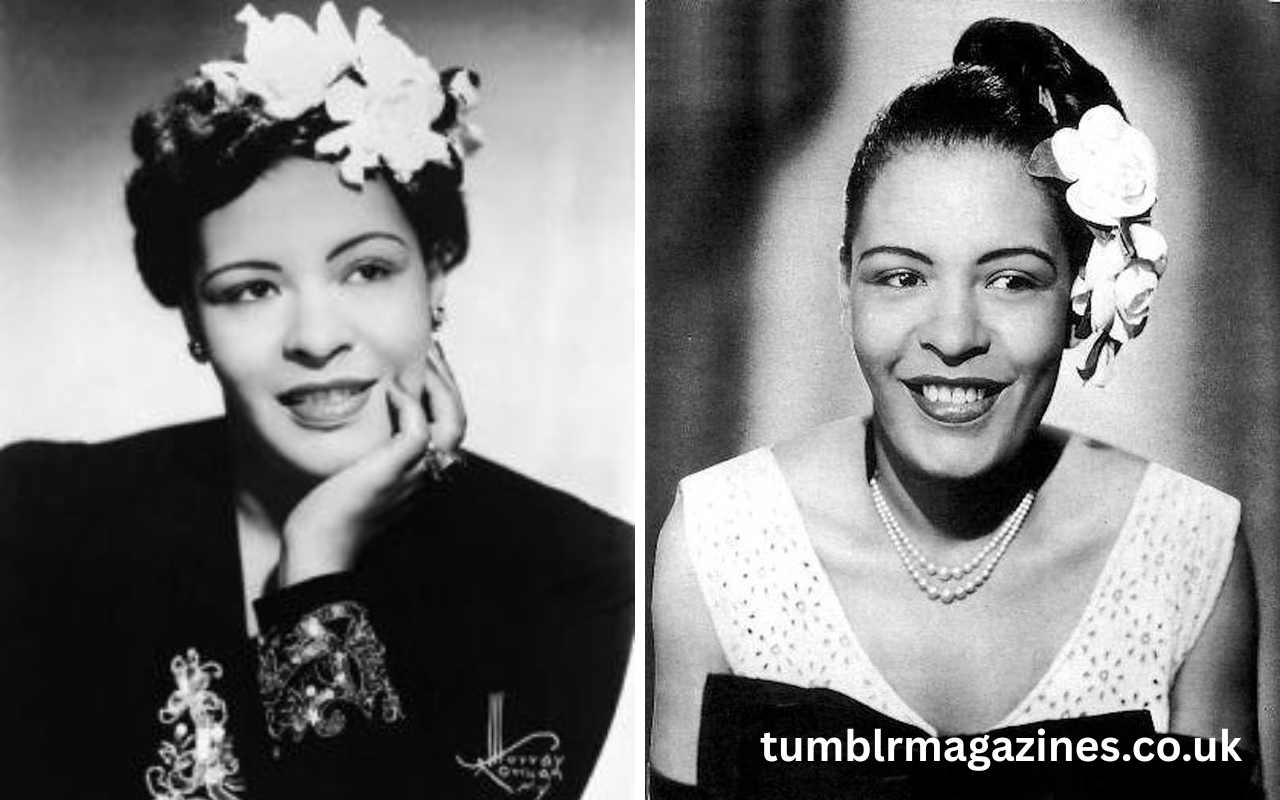
Billie Holiday: Emotional Expression in Jazz Singing
Billie Holiday emerged slightly later but is strongly connected to the Harlem jazz scene. She began singing in Harlem nightclubs, where she developed her unique emotional vocal style.
Holiday became known for:
- Deep emotional phrasing
- Slow, expressive timing
- Personal storytelling in music
Her song interpretations changed how vocal jazz was performed. Instead of focusing only on technique, she emphasized emotional truth in music.
She is still considered one of the most influential jazz singers in history .
Jazz Nightlife in Harlem
Jazz in the Harlem Renaissance was closely tied to nightlife culture. Clubs, speakeasies, and theaters became the center of entertainment and social life.
Important features included:
- Live jazz bands performing nightly
- Dance performances alongside music
- Integrated audiences (though often segregated in practice)
- Rising popularity of swing and blues styles
The Cotton Club became especially famous, hosting major jazz stars while often restricting Black audience attendance despite Black performers being the main attraction.
Other Important Jazz Artists
Many other musicians shaped the Harlem jazz movement:
- Fats Waller – Piano genius and entertainer
- Cab Calloway – Known for energetic performances
- Ethel Waters – Early jazz and blues vocalist
- James P. Johnson – Creator of Harlem stride piano style
- Fletcher Henderson – Pioneer of big band arrangements
Together, these artists created the foundation of modern jazz music.
How Jazz Changed During the Harlem Renaissance
Jazz evolved significantly during this period:
From Group to Solo Focus
Musicians like Louis Armstrong made individual improvisation central.
From Simple to Complex Arrangements
Duke Ellington expanded jazz into orchestral compositions.
From Local to Global
Harlem jazz became internationally recognized and influenced music worldwide.
From Entertainment to Cultural Identity
Jazz became a symbol of Black pride and artistic freedom.
Cultural Impact of Harlem Jazz Artists
The influence of Harlem Renaissance jazz artists continues today:
- Modern jazz, blues, and soul music all trace roots to this era
- Global music industry adopted jazz structures
- Harlem became a symbol of Black cultural excellence
- Artists inspired civil rights-era cultural identity
Jazz from this period laid the foundation for almost all modern popular music styles.
READ MORE: Colonel Sanders Ethnicity: What Was the Founder of KFC’s Background?
Conclusion
Jazz artists of the Harlem Renaissance were more than musicians—they were pioneers who shaped cultural identity, artistic expression, and global music history. Figures like Louis Armstrong, Duke Ellington, Bessie Smith, and Billie Holiday turned Harlem into the center of a musical revolution that still influences the world today.
Their creativity transformed jazz from a regional style into a global art form that represents freedom, emotion, and innovation.
This article is published for educational and historical insight on tumblrmagazines