

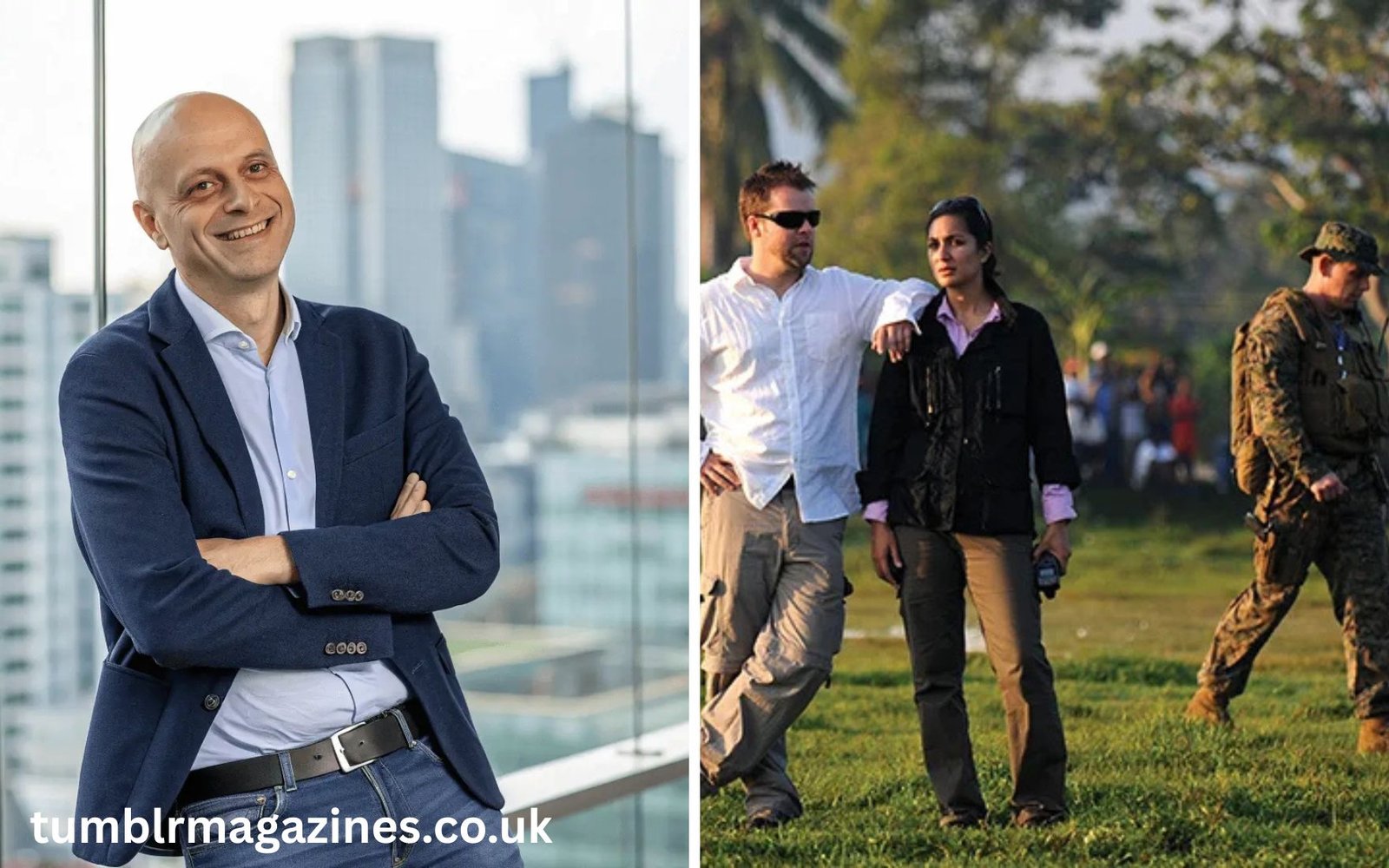
Paul Werdel: The Private Media Expert Behind Modern Digital Journalism
Paul Werdel is widely recognized as an experienced media professional who has worked in journalism, digital publishing, and newsroom leadership for many years. Even though he maintains a low public profile, his name frequently appears in discussions related to digital journalism and modern media innovation. Many readers also know him as the husband of respected PBS NewsHour journalist Amna Nawaz, but his professional accomplishments extend far beyond that connection.
In the modern media world, many influential professionals work quietly behind the scenes instead of appearing on television screens every night. Paul Werdel belongs to this category of journalism experts who help shape newsroom strategy, digital storytelling, and online audience experiences. His work reflects the changing nature of journalism, where technology, editorial planning, and digital engagement are becoming just as important as traditional reporting.
Interest in Paul Werdel has continued to rise over recent years because people are increasingly curious about influential media professionals who stay away from celebrity culture. His career path, private personality, and connection to major journalism organizations have made him an interesting figure for readers searching for information about digital journalism, media leadership, and modern news publishing.
Early Life and Background
Very limited public information is available about Paul Werdel’s early life, which is largely due to his preference for privacy. Unlike many public media personalities, he has never actively shared details about his childhood, hometown, or family background through interviews or social media platforms. This quiet approach has created curiosity among people who want to understand more about his journey into journalism and digital media.
Despite the limited personal details available online, it is clear that Werdel developed a strong interest in journalism and communication at an early stage in life. His later career demonstrates a deep understanding of newsroom operations, digital publishing systems, and editorial planning. These skills usually come from years of education, industry learning, and direct newsroom experience.
During the period when Paul Werdel was beginning his professional journey, journalism itself was undergoing massive changes. Traditional newspapers and television channels were moving toward online publishing, websites, and digital storytelling. Young media professionals entering the industry during this era needed to understand both journalism and technology, and Werdel appears to have successfully adapted to both sides of the profession.
Beginning a Career in Journalism
Paul Werdel entered the journalism industry during an important transition period for modern media. News organizations were rapidly moving from print-first operations toward digital-first publishing models. This shift created opportunities for professionals who understood audience behavior, online publishing, and multimedia storytelling.
His early journalism experience reportedly included editorial and production-related responsibilities in digital news environments. These roles likely helped him gain practical knowledge about content strategy, newsroom coordination, and online audience engagement. Unlike traditional newsroom jobs that focused only on reporting or editing, digital journalism required professionals to understand how stories performed across websites, mobile platforms, and social media.
Working in journalism during the rise of online media was both challenging and exciting. Newsrooms had to adapt quickly to changing reader habits and shorter news cycles. Professionals like Paul Werdel became valuable because they could combine editorial thinking with digital innovation. This ability later became one of the defining strengths of his professional reputation within the media industry.
Work in Digital Media and Online Publishing
One of the most important parts of Paul Werdel’s career has been his involvement in digital journalism and online media development. As audiences increasingly moved away from printed newspapers and began consuming news online, media organizations needed professionals who understood how to improve digital experiences for readers.
Digital publishing involves much more than uploading stories to a website. It includes homepage management, audience growth strategies, mobile optimization, multimedia integration, and user engagement planning. Werdel’s career reflects expertise in these areas, which are now essential for successful journalism organizations around the world.
The rise of smartphones and social media changed how people consumed news every day. Media companies had to redesign websites, improve mobile apps, and rethink content presentation. Professionals working behind the scenes became critical to this transformation. Paul Werdel’s role within digital journalism demonstrates how modern media increasingly depends on technology-focused editorial leadership rather than traditional newsroom structures alone.
Association With Major Media Organizations
Over the years, Paul Werdel has reportedly worked with several respected journalism and media organizations. His professional background has been linked to politically focused digital news platforms as well as internationally recognized media companies. These experiences helped him build a reputation as a knowledgeable media strategist and newsroom professional.
Working across different organizations gives media professionals a broader understanding of journalism styles, audience behavior, and editorial standards. Each newsroom operates differently depending on its goals, reporting focus, and publishing model. Werdel’s experience across multiple media environments likely strengthened his adaptability and leadership abilities within the industry.
Media professionals who move through respected organizations often develop expertise in breaking news operations, digital storytelling, and editorial management. These skills become increasingly valuable as journalism continues evolving in response to technology and audience expectations. Paul Werdel’s career path reflects the modern media industry’s growing emphasis on flexibility, innovation, and digital strategy.
Connection to The New York Times
Paul Werdel gained wider professional recognition through his reported connection to The New York Times, one of the world’s most respected journalism institutions. During the digital transformation era, many legacy newspapers invested heavily in improving online experiences, subscription models, and mobile news delivery systems.
Professionals involved in digital product development and newsroom strategy became essential during this transition. Their responsibilities often included improving website performance, redesigning homepage layouts, analyzing audience engagement, and creating better digital reading experiences for subscribers. These projects required a strong understanding of both journalism values and technology systems.
The New York Times became one of the leading examples of successful digital transformation in modern journalism. Being connected to projects within such an influential organization helped strengthen Werdel’s reputation within media circles. His involvement in digital newsroom innovation reflects how journalism increasingly depends on technology-driven leadership and strategic planning behind the scenes.
Marriage to Amna Nawaz
Many people first became aware of Paul Werdel because of his marriage to Amna Nawaz, the respected journalist and PBS NewsHour co-anchor. Nawaz is widely recognized for her political reporting, international coverage, and groundbreaking achievements in American broadcast journalism. Their relationship has attracted interest because both individuals have strong professional ties to journalism and media.
The couple reportedly married in 2007 and have built a family life while balancing demanding careers in the news industry. Unlike many public figures, they have remained relatively private about their personal lives. They rarely discuss family matters publicly or place their children in the media spotlight, which has earned respect from many observers.
Their partnership is often viewed as an example of mutual professional support within high-pressure careers. Journalism can involve long working hours, unpredictable schedules, and emotionally demanding reporting environments. Maintaining a strong family foundation while working in such a competitive field reflects discipline, understanding, and shared commitment between both partners.
A Private Personality in a Public Industry
One of the most interesting aspects of Paul Werdel’s public image is his commitment to privacy. In today’s media environment, many journalists and media executives maintain active online profiles and public personal brands. Werdel, however, has largely avoided social media attention and public visibility.
This private approach has made him somewhat mysterious to online audiences. People searching for information about him often discover that there are very few interviews, public appearances, or detailed biographies available. This limited visibility has increased public curiosity about his professional life and career accomplishments.
Many experienced media professionals prefer focusing on newsroom operations and editorial strategy rather than public recognition. Behind-the-scenes journalism work can be just as influential as on-camera reporting. Werdel’s career highlights the importance of quiet leadership in modern media, where strategic decisions often shape how millions of readers experience news every day.
Influence on Modern Journalism
Paul Werdel’s professional journey reflects the broader transformation of journalism over the past two decades. News organizations today rely heavily on digital systems, mobile publishing, audience analytics, and multimedia storytelling. Professionals who understand these systems play a major role in shaping the future of journalism.
Modern readers expect instant updates, user-friendly websites, mobile accessibility, and engaging digital experiences. Media organizations must constantly evolve to meet these expectations while still maintaining journalistic credibility and editorial standards. Experts working behind the scenes help make these changes possible.
Werdel’s experience in digital publishing and newsroom innovation demonstrates how journalism now combines technology and storytelling more closely than ever before. The success of modern media companies increasingly depends on professionals who can balance editorial integrity with digital growth strategies and evolving audience habits.
Growing Public Interest in Paul Werdel
Search interest surrounding Paul Werdel has continued growing as audiences become more interested in media leadership and journalism careers. People are no longer focused only on television anchors and celebrity reporters. Many readers now want to learn about the editors, strategists, and digital experts who shape modern news coverage behind the scenes.
His connection to Amna Nawaz has naturally contributed to public curiosity, especially among viewers of PBS NewsHour and political journalism followers. However, interest in Werdel also comes from his own professional background within digital journalism and media innovation. Readers searching for information about modern newsroom leadership often encounter his name during discussions about online publishing transformation.
The rise of digital journalism has created greater appreciation for professionals who understand both editorial standards and technology systems. As the media industry continues evolving, figures like Paul Werdel represent an important generation of journalism professionals who helped guide news organizations into the digital age.
Read More: Gal Tirosh Net Worth: Career, Private Life, Family, and Financial Background
Legacy and Future Relevance
Although Paul Werdel remains a relatively private figure, his career represents the growing importance of digital expertise within journalism. The media landscape continues changing rapidly as audiences consume news through smartphones, streaming services, newsletters, podcasts, and social media platforms. Professionals with strong digital strategy experience remain essential for navigating this transformation.
His professional story also demonstrates that influence in journalism does not always require celebrity status or constant public attention. Some of the most important contributions to modern media happen behind the scenes through editorial planning, product development, and digital innovation. Werdel’s work reflects this quieter but highly significant form of leadership.
As journalism continues adapting to new technology and changing audience habits, the role of digital newsroom experts will likely become even more important. Paul Werdel’s career stands as an example of how media professionals can shape the future of journalism through innovation, strategic thinking, and a deep understanding of the evolving digital news environment.