




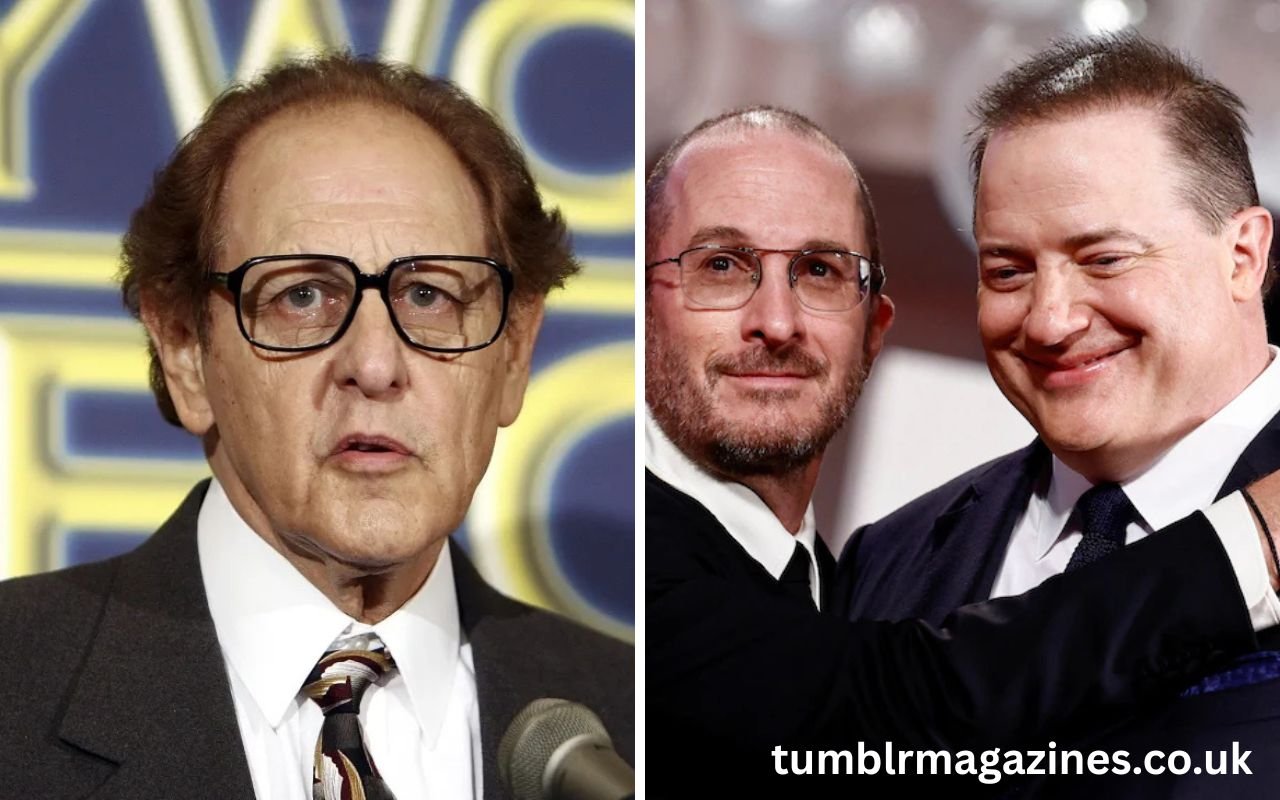
Philip Berk: A Deep Look into His Life, Career, Controversies, and Lasting Impact on Hollywood
Philip Berk is a controversial figure in Hollywood history, best known for his long-standing involvement with the Hollywood Foreign Press Association (HFPA), the organization responsible for the Golden Globe Awards. Over several decades, Berk built a reputation as a journalist, film critic, and influential industry executive. However, his career has also been marked by serious controversies that significantly shaped public perception of both him and the HFPA.
Understanding Philip Berk requires examining not only his professional achievements but also the broader cultural and institutional context in which he operated. His story intersects with key developments in Hollywood journalism, award ceremonies, and debates around accountability, diversity, and ethics in the entertainment industry.
Early Life and Education
Philip Woolf Berk was born on February 13, 1933, in Cape Town, South Africa. Growing up in a period marked by global change and shifting media landscapes, Berk developed an early interest in storytelling and journalism. His background in South Africa played a role in shaping his international perspective, which later became central to his work as a foreign correspondent.
Berk later moved to the United States, where he pursued higher education at the University of California, Los Angeles. He graduated from the UCLA School of Theater, Film and Television in 1955, a period when Hollywood was undergoing significant transformation. His academic training provided him with a strong foundation in film studies and journalism, setting the stage for his future career in entertainment reporting.
Career as a Journalist and Film Critic
Philip Berk began his career as a journalist, writing for various international publications, including outlets in Malaysia and South Africa. His work focused on film criticism and entertainment reporting, allowing him to develop a global perspective on cinema. Over time, he became recognized for his insights into Hollywood and its evolving trends.
In addition to his journalism work, Berk served as a film critic for the B’nai B’rith Messenger, a Jewish newspaper in Los Angeles. He also contributed to film criticism circles, including involvement with the Los Angeles Film Critics Association. His ability to connect international audiences with Hollywood content made him a valuable voice in the entertainment media landscape.
Role in the Hollywood Foreign Press Association
Berk’s most notable professional affiliation was with the Hollywood Foreign Press Association, an organization composed of journalists covering the U.S. entertainment industry for international audiences. He was a member of the HFPA for over four decades and served multiple terms as its president, totaling eight years in leadership.
During his tenure, Berk played a key role in shaping the organization’s direction and influence. The HFPA is best known for organizing the Golden Globe Awards, one of the most prestigious events in Hollywood. Berk’s leadership placed him at the center of major industry decisions, helping to elevate the visibility of international journalism within Hollywood’s award ecosystem.
Influence on the Golden Globe Awards
Through his work with the HFPA, Philip Berk became closely associated with the Golden Globe Awards, which recognize excellence in film and television. These awards are widely considered second only to the Oscars in terms of prestige and media attention. Berk’s influence within the HFPA meant he had a voice in nominations, voting processes, and organizational policies.
The Golden Globes have long been a significant platform for promoting films and television shows to global audiences. Berk’s role in this system contributed to shaping the narratives and recognition of major productions. However, the HFPA has also faced criticism over the years regarding transparency, diversity, and ethical practices, issues that became more prominent during and after Berk’s tenure.
Teaching and Contributions Beyond Journalism
Beyond his work in professional journalism and film criticism, Philip Berk also contributed to education. He taught journalism at Cleveland High School in Reseda, California, where he helped guide young students interested in media and storytelling. His role as an educator reflected his commitment to passing on knowledge and fostering future talent.
Berk also taught cinema classes and served as an editor for the school newspaper, providing students with hands-on experience in journalism. These contributions highlight a lesser-known aspect of his career, showing that his influence extended beyond Hollywood into the classroom and local community.
Memoir and Internal Controversies
In 2014, Philip Berk published a memoir titled With Signs and Wonders: My Journey from Darkest Africa to the Bright Lights of Hollywood. The book offered a behind-the-scenes look at his life and career, including insights into the inner workings of the HFPA. While the memoir provided valuable industry perspectives, it also sparked controversy among HFPA members.
Many within the organization were unhappy with the disclosures in the book, which revealed internal dynamics and personal anecdotes about colleagues. As a result, Berk took a leave of absence from the HFPA following the memoir’s publication. This incident marked an early sign of tensions within the organization regarding transparency and governance.
Brendan Fraser Allegations
One of the most widely discussed controversies involving Philip Berk is the allegation made by actor Brendan Fraser. In 2018, Fraser accused Berk of inappropriate behavior during an HFPA event in 2003. The allegation drew significant attention, particularly in the context of the #MeToo movement.
An internal investigation by the HFPA concluded that Berk had inappropriately touched Fraser but suggested it was intended as a joke rather than a sexual advance. Berk denied Fraser’s account, while acknowledging in his memoir that he had pinched the actor “in jest.” The incident became a focal point in discussions about accountability in Hollywood and raised questions about how such cases are handled within influential organizations.
2021 Controversy and Expulsion
In 2021, Philip Berk faced another major controversy that ultimately led to his expulsion from the HFPA. He sent an email to fellow members that included an article describing the Black Lives Matter movement as a “racist hate movement.” The message sparked immediate backlash within the organization and the broader entertainment industry.
Following the incident, the HFPA board voted to expel Berk, stating that his comments were unacceptable and did not align with the organization’s values. The decision was also influenced by external pressure, including calls from media companies and industry leaders. This event further intensified scrutiny of the HFPA’s internal culture and contributed to broader reforms within the organization.
Legacy and Impact on Hollywood
Philip Berk’s legacy is complex and multifaceted. On one hand, he played a significant role in shaping international entertainment journalism and contributed to the global reach of Hollywood through his work with the HFPA. His decades-long involvement with the Golden Globes positioned him as a key figure in one of the industry’s most visible institutions.
On the other hand, his career has been overshadowed by controversies that have had lasting implications for both his reputation and the organizations he was associated with. The issues surrounding Berk have contributed to ongoing conversations about diversity, ethics, and accountability in Hollywood. His story serves as a case study in how influence and responsibility intersect in the entertainment industry.
Read More: Finnegan Biden: A Complete Insight Into Her Life, Family, Education, and Public Presence
Conclusion: Understanding Philip Berk’s Story
Philip Berk remains a notable yet controversial figure in Hollywood history. His journey from a South African-born journalist to a powerful member of the Hollywood Foreign Press Association reflects both professional achievement and personal controversy. His career highlights the importance of global perspectives in entertainment journalism while also illustrating the challenges of maintaining ethical standards in positions of influence.
For those researching Philip Berk, his life offers valuable insights into the evolution of Hollywood institutions, the role of foreign press in shaping media narratives, and the impact of controversy on public figures. As the entertainment industry continues to evolve, Berk’s story remains relevant in discussions about transparency, accountability, and cultural change.